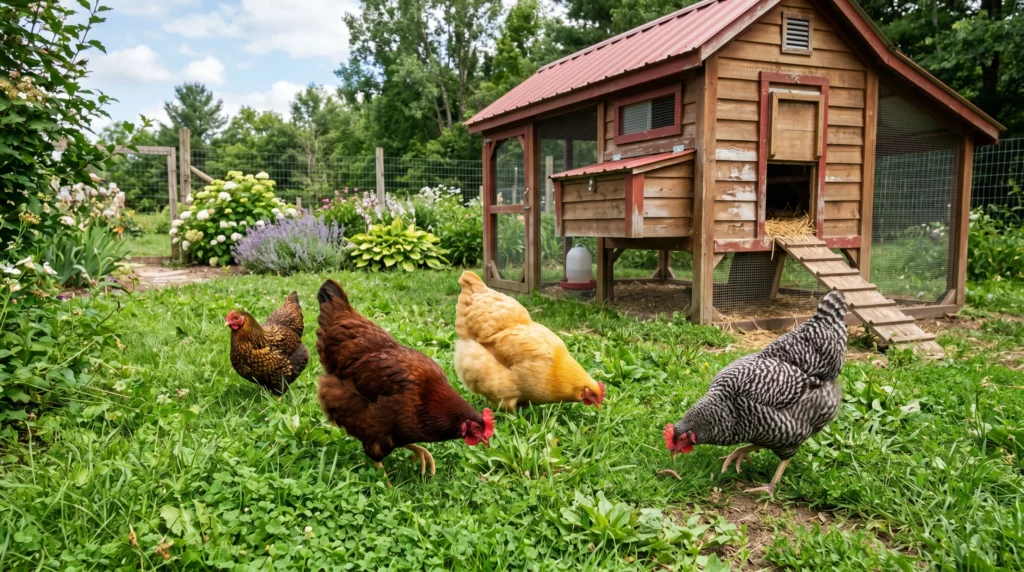
If you’re thinking about raising chickens for the first time, you’ll find it’s one of those backyard hobbies that quickly becomes both fun and rewarding. Chickens not only provide fresh eggs practically every morning, but they also bring some personality and activity to any yard. There’s a reason families and hobbyists everywhere are adding chicken coops to their backyards. Happy, healthy chickens are pretty easy to care for once you know the basics.
Getting Started: Choosing Chickens and Setting Up Their Home
Picking out your first chickens is usually the most exciting part. You’ll want to go with breeds that fit your goals; some chickens are prized for egg laying, while others are better for meat or just for their colorful feathers and personalities.
Popular beginner breeds for backyard flocks include:
Plymouth Barred Rock: Calm and friendly, plus great layers.
Rhode Island Red: Tough birds that lay lots of eggs throughout the year.
Buff Orpington: Great with kids, quiet, and easy to tame.
Once you’ve picked a few birds, the next step is giving them a comfortable place to live. A good chicken coop should provide shelter, warmth, and safety from predators. Many folks start with a simple coop and run setup, just enough covered space for sleeping and nesting, plus an outdoor area where the chickens can scratch around.
Some basic things every chicken home needs:
Enough space (at least 3 to 4 square feet per chicken inside) and a secure run where they can spread out even more.
Solid protection from dogs, raccoons, and other critters.
Perches for sleeping—chickens like to roost off the ground at night.
Nesting boxes (one for every three or four hens) with good bedding.
Ventilation that keeps fresh air moving but keeps out heavy drafts.
When setting up your coop, make sure all entrances are secured with sturdy latches. A well-planned coop saves time on chores and keeps your birds feeling secure. Some people like adding a small covered porch to their chicken run, so the flock stays dry during rainy weather. You can also decorate your coop with hanging planters or a sign with your flock’s name—little touches that make the space your own and give chickens occasional new things to check out.
How to Keep Chickens Healthy and Stress Free
Healthy chickens start with clean living spaces and the right nutrition. Keeping their coop dry and tidy makes a big difference, and I like to use straw or wood shavings as bedding since both help control smells and make cleaning super easy.
Besides cleaning the coop regularly, watching out for signs of sickness is really important. Look for:
Clear, bright eyes. Dull or watery eyes can mean trouble.
Full, shiny feathers and a comb that’s a nice red color.
Steady, energetic movement and regular eating and drinking.
Keeping chickens relaxed is just as crucial. Avoid sudden loud noises near their coop. Give them plenty of fresh water and regular treats. A calm environment helps reduce pecking and makes for better routines all around.
Common Health Troubles
Most backyard flocks stay healthy if you keep things clean, but it’s wise to be prepared. Here’s the lowdown on some things you’ll probably run into sooner or later:
Mites and lice: Keep an eye out for feather loss or birds scratching more than usual. Regular dust bathing helps, but sometimes you need to treat with a safe poultry powder.
Worms: Droopy birds and odd-looking droppings are a giveaway. Ask at your local feed store about a safe dewormer if you notice a problem.
Egg binding: Hens who are straining but can’t lay can be in danger. Extra calcium in their diet helps prevent this issue. You can also offer crushed oyster shell or eggshells in a small dish as a routine supplement.
Always keep an eye on any behavioral changes—if a bird hides away from the group, eats less, or acts sluggish, it’s worth checking in with someone experienced or calling a local poultry vet. Early action can make a big difference.
Nourishing Your Flock: What Chickens Should Eat
Feeding chickens is actually pretty straightforward. Laying hens need a high quality layer feed that has enough calcium for strong eggshells, while nonlaying chickens (like roosters or younger pullets) are fine on a starter or grower ration.
Always keep clean water available. It’s just as important as food.
Offer oyster shell or crushed eggshell in a separate dish. Extra calcium keeps eggs firm and healthy.
Give healthy treats like mealworms, cracked corn, or scraps of lettuce and fruit. Just remember, treats should only be about 10 percent of their overall food.
Letting chickens freerange for even part of the day lets them find bugs and greens, making for happier birds and tastier eggs.
Chickens thrive on routine. Feed them at the same time each day, clean out their waterers daily, and try to stick to a pattern so they know when to expect food and treats. This helps prevent squabbles and makes egg collection easier, since hens will often lay in the morning after breakfast.
Key Considerations Before Starting Your Flock
It’s pretty easy to get caught up in cute pictures of fuzzy chicks, but raising chickens involves real responsibility. There are some things you’ll want to think about before you get started:
Local regulations: Some towns require permits or have restrictions on flock size. Doublecheck what the rules are where you live. Some areas limit or prohibit keeping roosters.
Time commitment: Chickens need daily care, no matter the weather.
Winter prep: If you live somewhere cold, you’ll need a plan so your birds stay warm and their water doesn’t freeze. Insulated coops and heated waterers are worth checking out in northern climates.
Predator proofing: Raccoons, hawks, and neighborhood dogs love a chicken dinner. Hardware cloth and locking latches help keep your birds safe day and night.
Do a little research into your neighborhood or homeowners association rules, too. Some places care about the look and placement of backyard coops, so getting things sorted ahead of time can prevent awkward surprises. Chatting with neighbors before bringing chickens home can help everyone feel comfortable—plus, offering fresh eggs from time to time is a great way to make friends.
Chickens and Neighbors
Some people worry about chicken noise or smell. While hens are usually pretty quiet (it’s the roosters that crow!), a super clean coop and regular fresh bedding keep things smelling just fine. If you’re friendly with neighbors and share the occasional dozen eggs, most folks are happy to have chickens nearby. Just be upfront and let them know your coop will be well maintained and neat.
Encouraging Natural Behaviors: Happy Chickens Mean Better Eggs
One of the best things you can do for your flock is to help them act like chickens. Birds that get to scratch, dig, and dust bathe are healthier and a lot more fun to watch.
Give your run plenty of things to explore; logs, clumps of grass, and piles of leaves are all good options.
Hang a cabbage or treat ball for entertainment and to reduce boredom.
Create spots for dust bathing with dry dirt or sand. Chickens use this to keep clean and free of mites.
Let them out to roam (under supervision) if you can. Freerange time is great for their spirits and egg quality.
Mix things up in the run every now and then, adding new items or rearranging perches and logs. Chickens are naturally curious and get excited when something changes in their landscape. This also encourages more activity and helps prevent feather picking due to boredom. Happy chickens lay better eggs and tend to stay healthier, so encourage those natural behaviors whenever you can.
Troubleshooting and Common Challenges
Even the best cared for flocks run into some hiccups. Here’s a quick rundown of problems most chicken keepers face and some tips I’ve picked up along the way:
Pecking order problems: Chickens naturally develop a hierarchy, and sometimes new birds get picked on. Adding new birds at night helps, and providing lots of space means less stress for everyone.
Broody hens: Some hens decide to sit on eggs and can get grumpy. If you don’t want chicks, gently move them off the nest and collect eggs often.
Egg eating: Occasionally, a hen figures out that eggs are tasty. Keeping nesting boxes dark (or using rollaway nest boxes) helps prevent this habit.
Weather can be tough, too. In summer, make sure your flock has plenty of shade and extra water on hot days. During winter, check for drafts and make sure bedding stays dry. Move waterers out of the wind so they don’t freeze over quickly.
When to Call a Vet
If you notice a chicken isn’t eating, seems really lethargic, or has difficulty breathing, it’s a good idea to talk to a vet who knows poultry. Sometimes early action saves a favorite bird. Many rural vets offer advice by phone, and there are online resources and poultry forums where you can ask for tips if a local vet isn’t available.
Answers to Common Chicken Questions
If you’re just getting into chickens, you’ll probably run into a few of these questions pretty quickly:
Question: How many chickens should I keep for a steady supply of eggs?
Answer: A small flock of four to six hens is usually enough to get a steady supply of eggs for an average family. Some breeds lay more reliably, so it’s worth looking at local recommendations.
Question: Do chickens need heat in winter?
Answer: Most healthy adult chickens handle cold weather really well if they have a dry, draft free coop. Usually, extra heat isn’t needed and can even be risky due to fire hazards.
Question: Could chickens attract pests or make the yard messy?
Answer: Food scraps and spilled feed draw rodents, so using feeders that limit spillage helps a lot. Regular cleaning and moving the run every now and then keep everything tidy. Chickens also love to dig, so you might want to protect small garden beds with fencing or designate an area where the flock can scratch away freely.
Chickens as a Backyard Hobby
Raising chickens isn’t just about getting eggs; it’s a backyard activity that the whole family can take part in. Watching the flock explore, compete for bugs on a sunny day, or come running when you step outside with table scraps is just plain relaxing. Kids learn responsibility and where their food comes from, which is pretty valuable in a world where most of our groceries come packaged and ready to go.
Getting started with a small flock means you can enjoy fresh eggs, free entertainment, and a small daily routine that brings everyone outside for at least a few minutes a day. With a little bit of planning and care, happy, healthy chickens are totally doable, and the benefits are totally worth it. Track down helpful books and online forums to join the growing community of backyard chicken lovers, and soon you’ll be enjoying farm fresh eggs straight from your own yard.