Raising chickens at home can be surprisingly rewarding, whether you live on a spacious rural property or have a good-sized backyard in suburbia. Over the years, I’ve found that keeping chickens isn’t just about getting fresh eggs (although that’s pretty high up on my list of perks). There are plenty of benefits, both practical and personal, that pop up once you bring a small flock into your daily life. This article breaks down the key advantages I’ve spotted in raising chickens at home, with some extra tips and advice sprinkled in for anyone thinking about getting started.
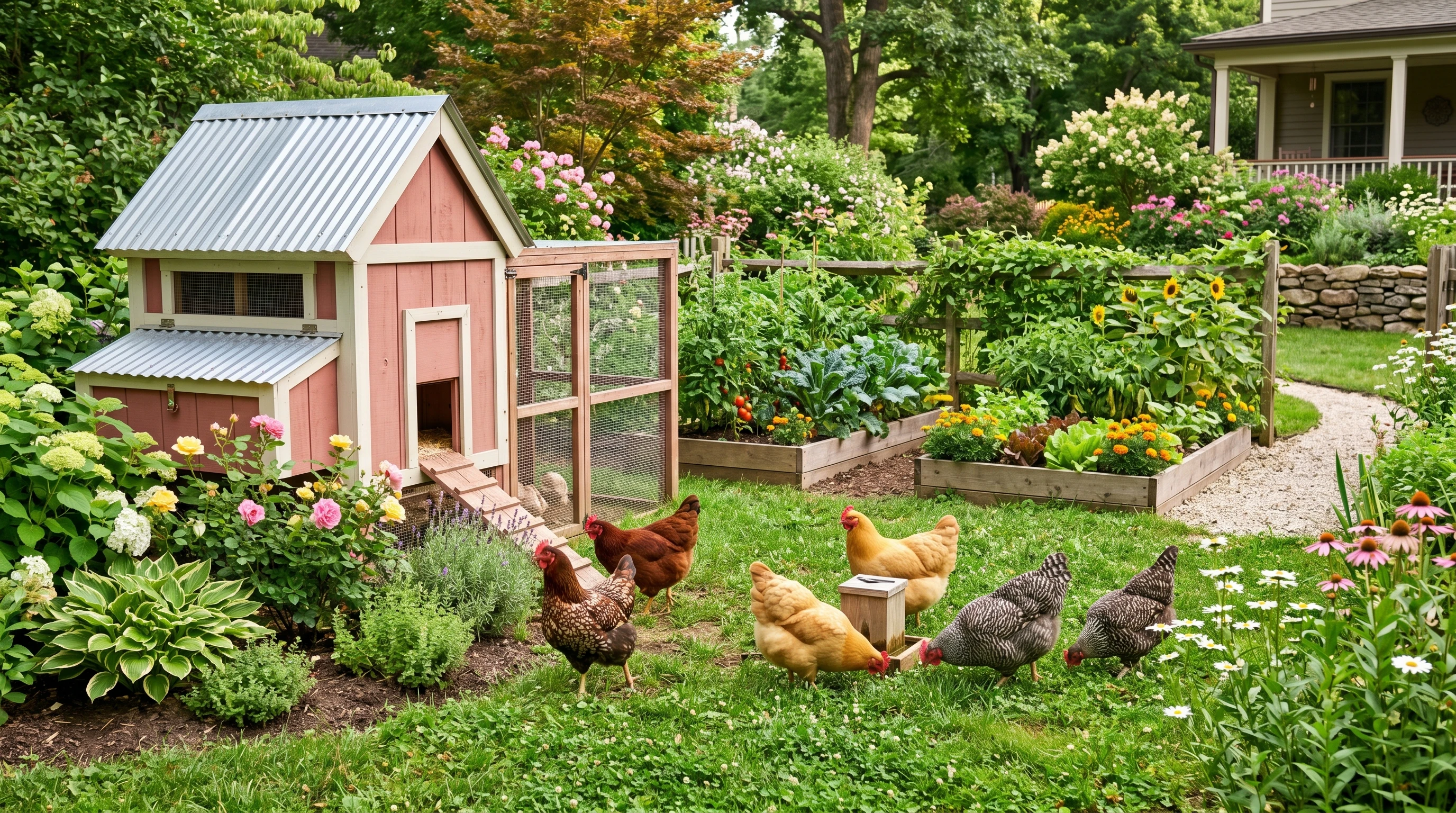
Why More People Are Raising Chickens at Home
Home chicken keeping has really picked up lately, especially as more folks look for ways to get connected to their food and live a bit more sustainably. Once limited to farms and homesteads, chickens are now popping up in urban and suburban neighborhoods with surprising regularity. I see this trend continuing as people look for practical ways to become a bit more self-reliant and enjoy the small but important pleasures in life.
According to the USDA, interest in backyard poultry rose sharply in the last decade, especially after events like the pandemic got everyone thinking harder about where their food comes from. It’s not just about eggs, either. Chickens contribute a lot to a garden and a family’s overall lifestyle. Let’s check out some of the things that make raising chickens at home so appealing, and why it might be worth digging into if you haven’t already.
Fresh Eggs Right from Your Backyard
One of the main reasons I got started with chickens was honest and simple: I wanted better-tasting, fresher eggs. There’s just something special about collecting eggs from your own coop in the morning. The yolks are often darker and the flavor is richer than anything I’ve found at the store. Sometimes there are cool blue or brown shells depending on the breed, which adds a fun variety to breakfast.
- Better Taste and Nutrition: Most homeraised eggs come from chickens eating varied diets, including grass, bugs, and kitchen scraps. That mix leads to eggs packed with nutrients and omega-3s.
- Reliability: With laying hens, you can count on a steady supply of eggs even if there are shortages at the store.
- Control: Knowing exactly what your hens eat and how they live gives a lot of peace of mind about food quality.
On average, a healthy hen lays about four to six eggs a week, though this depends on breed, age, and season. With just a handful of hens, you’ll probably end up with enough eggs for yourself and maybe even a few extras to share with family or neighbors.
Chickens Make Awesome Garden Helpers
People sometimes think of chickens as “just” egg layers, but they’re actually hardworking garden assistants. Having chickens around has saved me hours of weeding, pest control, and compost turning. Here’s how they pitch in:
- Natural Pest Control: Chickens love eating beetles, slugs, ants, and other insects that might otherwise munch on your veggies or flowers.
- Weeders by Nature: They scratch up unwanted grasses and weeds while searching for bugs and seeds. I’ve found that letting chickens roam a spent garden bed for a day or two sets it up nicely for the next planting season.
- Compost Champions: Chickens break down compost piles faster by mixing and aerating everything while pecking around. Their droppings give a nice nitrogen boost too.
Just remember, chickens don’t always know the difference between what you want them to eat and what you want to keep safe, so give them access at the right times or put up fencing to limit their foraging area.
Chicken Manure Turns Into Free Fertilizer
One thing you learn fast about chickens is that they make a lot of poop. The good news is that chicken manure is powerful stuff for gardens, packed with nitrogen, phosphorus, and potassium. When composted properly, it’s one of the best allinone fertilizers around, and you save money not needing to buy storebought options.
Chicken manure shouldn’t go right onto plants because it’s too strong and can burn roots. Instead, I heap it up with straw, leaves, and old bedding in a compost pile for about six months until it breaks down into rich, crumbly compost. This finished material helps veggies grow bigger and healthier and keeps the soil in top shape year after year.
Chickens Are Fun and Social Animals
I never expected how much personality chickens can have. Each hen has quirks, favorite snacks, and even unique ways of making noise when happy, hungry, or excited. They’ll come running when you walk outside, and some breeds are friendly enough to let you pick them up, which is great for kids or anyone who likes a hands-on approach to pets.
- Watching chickens scratch, dustbathe, or interact with each other is genuinely entertaining, almost meditative.
- Getting to know your flock by name is pretty common, and chickens will recognize regular caretakers.
- Caring for animals helps teach responsibility and empathy, both for kids and adults who are new to livestock.
A small, caredfor flock can be just as much a part of the family as a dog or cat while offering practical outdoor perks. The joy of seeing your chickens excitedly greet you in the morning truly makes it all worthwhile. Plus, hearing their gentle clucking can be a calming addition to anyone’s daily routine.
Reducing Kitchen and Garden Waste
I love that chickens are basically living recyclers. Whenever I have veggie scraps, stale bread, or leftovers that aren’t good for people anymore, the chickens happily handle the cleanup. Tossing kitchen scraps and pulled weeds into their pen means less waste heading to the landfill and more nutrients for your flock at the same time.
- Most chickens enjoy lettuce ends, carrot tops, apple cores, and melon rinds. Just be sure not to give them anything salty, moldy, or toxic (like onions or avocado).
- Creative feeding keeps their diet interesting and does some good for the planet overall.
Feeding chickens your kitchen scraps also makes you more aware of what you waste, which can help build better habits and even save money on groceries over time. It’s a smart, thrifty way to make sure very little goes unwanted.
What to Consider Before You Get Chickens
Raising chickens at home comes with a few things to plan for upfront. I suggest anyone considering chickens think about these points before bringing home their first birds:
- Local Rules: Always check zoning laws or HOA rules about chickens where you live. Some places limit flock size or don’t allow roosters.
- Coop Needs: Chickens need a dry, secure coop with good ventilation and enough space (about two to four square feet per hen inside the coop, plus a safe outdoor run).
- Daily Commitment: Hens need fresh water, regular feeding, and a clean place to sleep. Eggs should be collected daily to prevent breakage or attracting pests.
- Predator Protection: Many places have raccoons, hawks, or neighborhood dogs that love chickens. Secure fencing and sturdy locks on coops are musthaves for flock safety.
- LongTerm Care: Chickens can live five to ten years or more, even once their main egglaying days slow down. Planning for the long run helps avoid surprises.
Careful planning helps make sure your chicken keeping adventure is a good one, right from the start. You’ll want to take your time choosing chicken breeds that suit your climate, as some do better in cold weather while others prefer heat.
Extra Tips for Happy and Healthy Chickens
Over time, I’ve picked up some practical tricks that keep chickens happy, healthy, and easy to care for:
- Rotate the Run: If you can, move your chicken run around the yard every few months to let grass recover and reduce odor or parasites.
- Add a Dust Bath Area: Chickens love rolling in dry dirt. Making a corner with sand, wood ash, and dry soil helps them stay clean and keep lice or mites away.
- Keep Water Clean: Change water often, especially in summer. Dirty water is a magnet for sickness and mosquitoes.
- Use DeepLitter Bedding: Layering wood chips or straw thick in the coop lets you turn it occasionally and compost everything in one spot.
You might also want to check in with other local chicken keepers about any seasonal challenges in your area, such as freezing waterers in winter or keeping hens cool during hot months.
Frequently Asked Questions
I see a lot of the same questions from firsttime chicken keepers. Here are some quick answers to the most popular ones:
Question: Do backyard chickens attract pests?
Answer: Chickens can bring in rodents or bugs if feed is left out uncovered or eggs aren’t collected. Keeping the area tidy and sealing food bins goes a long way to keeping things under control.
Question: Are chickens noisy?
Answer: Hens make gentle clucking sounds and sometimes get loud when laying or startled. Roosters are the real noisemakers, so consider an allfemale flock if you want a quieter yard.
Question: How many chickens should I start with?
Answer: Starting with three to five hens is usually manageable for most families and helps them stay social. Chickens don’t like being alone.
Question: Do chickens smell bad?
Answer: A wellmanaged coop doesn’t smell much. Regular cleaning and deep bedding help keep odors low. Good airflow in the coop also goes a long way in keeping things fresh.
Is Raising Chickens at Home Worth It?
Home chicken keeping is a practical way to enjoy fresh eggs, cut down on waste, and get more involved with the garden. Chickens are fun to watch, helpful around the yard, and offer a daily connection to nature that’s tough to beat. With a bit of prep and care, you’ll likely find having hens around makes your yard feel more lively and your breakfast a lot tastier.
If you want to get started, reach out to a local farm store or backyard poultry group for advice about breeds, coops, and supplies. There are loads of great resources out there, and most chicken keepers love giving advice to help newcomers get their flocks off to a good start! Adding chickens to your backyard might just be the thing that brings your home and garden to life in a whole new way.