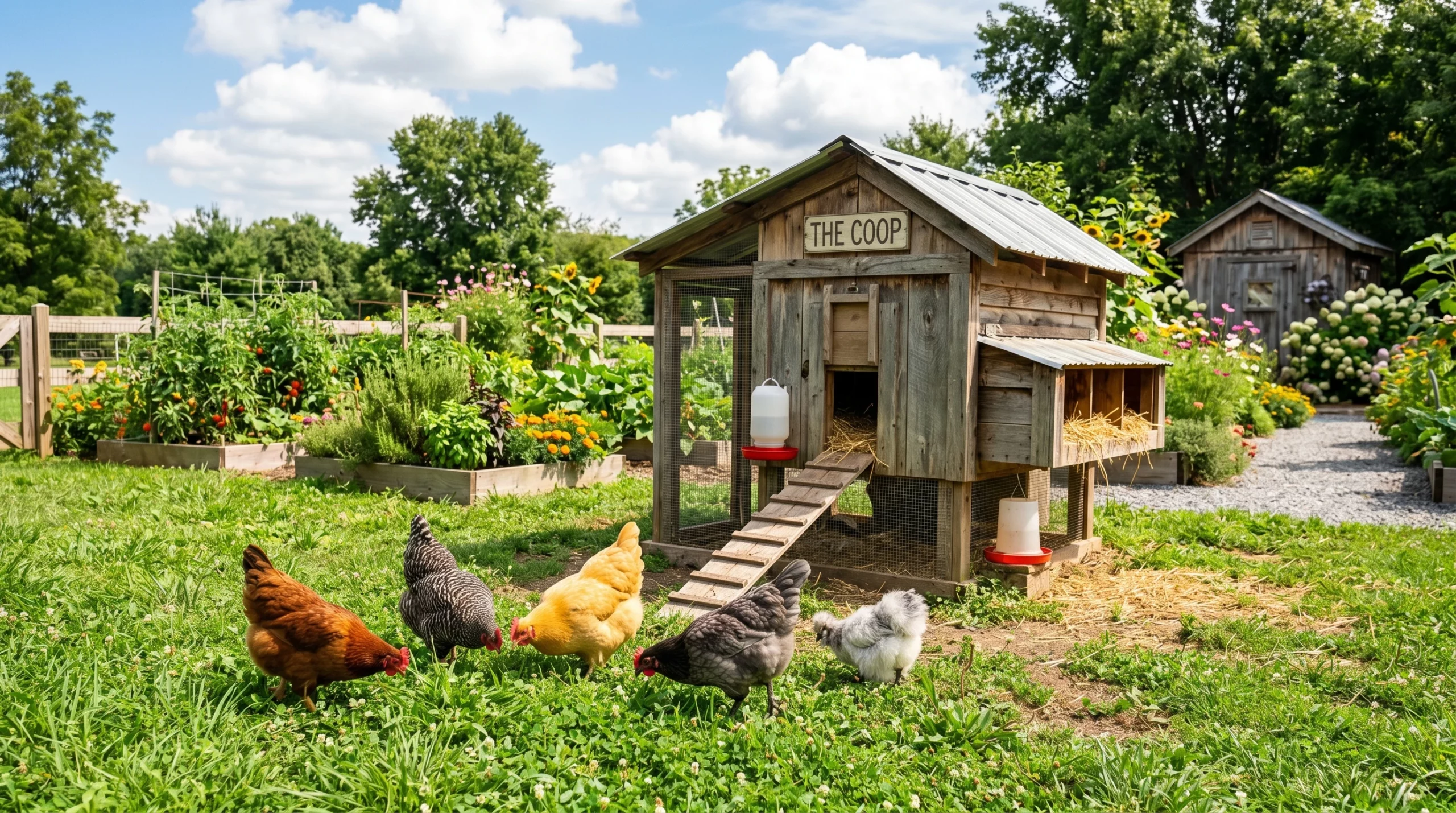
Ever thought about reasons to start raising chickens in your backyard? As someone who’s gone from browsing fresh eggs at the farmer’s market to gathering them from my own coop, I can say the reasons to start raising chickens has perks that go way beyond breakfast. Whether you’re wanting a fun family hobby, better control over your food sources, or maybe a little extra compost for the garden, chickens can bring a lot of cool benefits. So, the reasons to start raising chickens are many. Below, I’ve rounded up answers to all the questions folks usually ask when considering a backyard flock, and what really makes chicken keeping worth trying.
Getting Started: The Basics of Raising Chickens
What does it mean to raise backyard chickens?
Raising chickens is all about keeping a small flock of hens (and sometimes a rooster, but not always) for eggs, companionship, pest control, and sometimes meat. Unlike factory farming, backyard chicken keeping usually focuses on keeping chickens healthy, happy, and safe in a smaller space. It can be as easy as a couple birds in a tiny yard, or as involved as a bigger flock with more fancy coops and runs.
Who can keep chickens?
I’ve met families in the suburbs, folks with rural acreage, and even some city dwellers who keep a few hens. The biggest things to check are your local ordinances and HOA rules, since some places limit flock size or ban roosters. As long as you’ve got a bit of outdoor space, access to fresh water, and can provide basic care, chicken keeping is doable for most people. If you live in a colder region or somewhere with wildlife, some extra planning for insulation and predator security is smart, but people in all sorts of climates raise chickens successfully.
How much time and space do chickens need?
My small flock takes about 10 to 20 minutes a day for feeding and gathering eggs, plus some extra time each week for cleaning up and checking on their health. Spacewise, chickens don’t need a huge yard. A secure coop and a small run works fine for most backyard flocks. Some breeds need more room than others, so if space is tight, look for “bantam” types or breeds suited to smaller spaces. You’ll want at least 4 square feet per chicken in the coop and about 10 square feet per bird in the outdoor run for comfort.
How do you pick the right chicken breed?
Depending on your goals, you might want good egg layers, birds bred for friendliness, or hardy types suited to your climate. Some breeds are known for bright-colored eggs, like Ameraucanas (blue eggs) or Marans (deep brown eggs). If you want quiet chickens, try Orpingtons or Australorps; for lots of eggs, Leghorns and Rhode Island Reds are classic picks. Local farm stores or breeders can help you pick breeds that do well in your area.
Food and Fresh Eggs Are One of the Biggest Reasons To Start Raising Chickens
Can you really taste the difference in backyard eggs?
Absolutely! Fresh eggs from backyard hens have richer colored yolks and noticeably better flavor. I remember the first time I cracked open an egg straight from my own hen and was surprised by the bright orange yolk. It felt good knowing exactly what my hens ate, and the freshness is unbeatable. Store eggs can be several weeks old by the time you get them; home eggs often make fluffier baked goods and tastier omelets.
How many eggs can you expect?
Each chicken lays about 4 to 6 eggs per week, depending on the breed, age, and season. In spring and summer, I see the most eggs. In winter, production slows down, but I still get enough to cover my family’s needs. With just 3 or 4 hens, most households stay stocked up on eggs year-round, and usually have a dozen extra to share. If you bake a lot, like to give gifts, or have a big family, a slightly larger flock may suit you.
What do chickens eat?
Chickens aren’t picky; they thrive on a simple diet of layer feed from the pet store. I also give mine kitchen scraps like lettuce, rice, or plain pasta, plus the bugs and greens they find as they scratch around. They’ll even gobble up pests in the garden, helping with bug control. It’s pretty handy for cutting down on waste and keeping them happy. Be sure to avoid giving them avocado, chocolate, or salty snacks, since some foods aren’t safe for birds.
How do you store and clean eggs?
Backyard eggs should be gathered daily to avoid any cracks or spoilage. Gently brushing off dirt (but skipping the full wash unless absolutely necessary) helps eggs last longer because they have a natural protective coating. I keep my eggs at room temperature for about a week or in the fridge for longer storage. Marking your eggs with the date can help you use up the oldest ones first.
Benefits for Your Garden and Yard
Another Good Reasons To Start Raising Chickens. Is That Chickens Help In the Garden?
Chickens are natural tillers. They dig, scratch, and eat weed seeds, which helps prep my garden beds and limits pests. Their manure is super useful, too. It’s packed with nutrients and makes great compost. After I let the manure age for a few months, my soil gets a nice, healthy boost for the growing season. Spreading aged litter around trees or garden beds is an old gardener’s trick for lush growth and fewer chemical fertilizers.
What about pest control?
Having chickens is like having your own pest patrol. They love eating beetles, ticks, grasshoppers, and even slugs. My flock keeps my yard nearly bugfree during the spring and summer. As a bonus, fewer pests mean less need for chemical sprays or treatments. Chickens also help clean up fallen fruit and garden scraps, reducing mess and the chance of unwanted pests moving in.
Is keeping a flock messy?
Chickens do scratch up the dirt and leave droppings, but with a little routine cleaning, it never gets out of hand. I use old straw or leaves in the coop, which I turn into compost about once a month. As long as the coop and run are cleaned regularly, odor isn’t a big problem, and the benefits for the garden make it all worth it. Setting up a simple dust bath area outside can also cut down on mud and keep the chickens clean and parasite-free.
Cost, Planning, and Support
How much does raising chickens cost?
Initial costs include the coop, feeder, waterer, and the birds themselves. I built my first coop with some scrap wood and bought a few supplies, which kept things affordable. Ongoing expenses are mostly feed and bedding, which add up to around $15 to $20 per month for a small flock. Sometimes you might want to spoil your hens with extra treats or toys, but it’s not needed for their happiness or health. If you want to upgrade your setup later on, adding automatic doors or solar-powered coop lights can give your flock a comfortable, safe space.
Can you save money by raising chickens?
Backyard eggs aren’t always cheaper than buying store brand cartons, but I notice I save money on garden fertilizer, bug sprays, and some food scraps that would otherwise go to waste. For me, the real value is having eggs that taste better, knowing where my food comes from, and getting to use the manure in the garden. The sense of satisfaction and self-reliance is also a nice bonus.
Where can you find good advice and support?
There are tons of online forums and local groups just for hobby chicken keepers. I’ve picked up plenty of tips from other backyard keepers, and local farm supply stores are always helpful. Books and online guides offer step by step advice for newbies. If you’re starting out, it helps to connect with someone who already has a flock; they love sharing what’s worked (and what hasn’t). Some feed stores even host chicken-keeping classes each spring.
Family and Community Fun
Are chickens good pets for kids?
My kids have learned so much from helping with the chickens. Everything from daily chores to responsibility and respect for animals. Certain breeds are super friendly and happy to be held or handfed, which is a big hit. Plus, watching a brood of chicks grow up is adorable and educational, making it a fun family activity. Each bird has its own quirky personality, and naming them adds even more fun for younger kids.
Can chickens be part of a community project?
I’ve connected with neighbors who share eggs and chicken sitting duties when we’re away. Some local schools, community gardens, and retirement homes even have flocks for education and fresh produce. Chickens are surprisingly social, and bringing people together around fresh eggs and homegrown food is a great way to build community. Hosting a “chicken visit” day is a fun way for neighborhood kids to meet the birds and learn about food sources.
Common Questions and Practical Advice
Are there any drawbacks to keeping chickens?
There are a few things worth considering. Chickens need daily care: fresh food, clean water, and a secure coop. Predators like raccoons or hawks can be a threat, so the coop has to be sturdy. If you go on vacation, it helps to have a neighbor check in. They can get noisy, especially if you accidentally end up with a rooster, but most hens are fairly quiet. Also, some people may need to double check local noise or pet laws, just in case.
How do you keep chickens safe and healthy?
A well built coop, plenty of ventilation, and fresh bedding help keep chickens healthy. I vaccinate my birds when I get them and watch for signs of illness, but for the most part, backyard hens are hardy. Access to dust baths and a clean yard also prevents most common problems. Watching them roam and being part of their daily care has taught me a lot about keeping animals happy. If you notice signs like lethargy or odd behavior, it’s smart to get advice from a local vet or seasoned chicken keeper.
Is it possible to keep chickens humanely?
Ethical chicken keeping is entirely possible, and many people (me included) focus on providing a good life for their hens. Clean coops, healthy food, fresh air, and the chance to roam make for happy birds. Humane care also means respecting when a hen gets older and stops laying; many chicken keepers see their flock as pets for life, not just egg machines. It’s always satisfying to know your animals have a safe, comfortable environment and get to express their natural behaviors.
Have More Questions? I’m Happy to Chat!
If you’re thinking about raising chickens or need help planning your first coop, feel free to reach out in the comments or check out some community groups online. Sharing questions and swapping stories helps new chicken keepers feel confident and makes starting your own flock easier and more fun. Whether you’re ready to jump in or just curious, starting with a few hens can bring more freshness, fun, and learning to your backyard and beyond!