Chicken raising for beginners can be a really rewarding and surprisingly low maintenance way to get fresh eggs right in your backyard. When I first started thinking about chicken raising for beginners, I had a lot of questions and wasn’t sure where to begin. There’s plenty to learn, but with the right guidance, chicken raising for beginners is totally doable (and even a bit fun). If you’re considering adding some feathered friends to your home, I’ll walk you through the basics and tips to help you get started on the right foot.
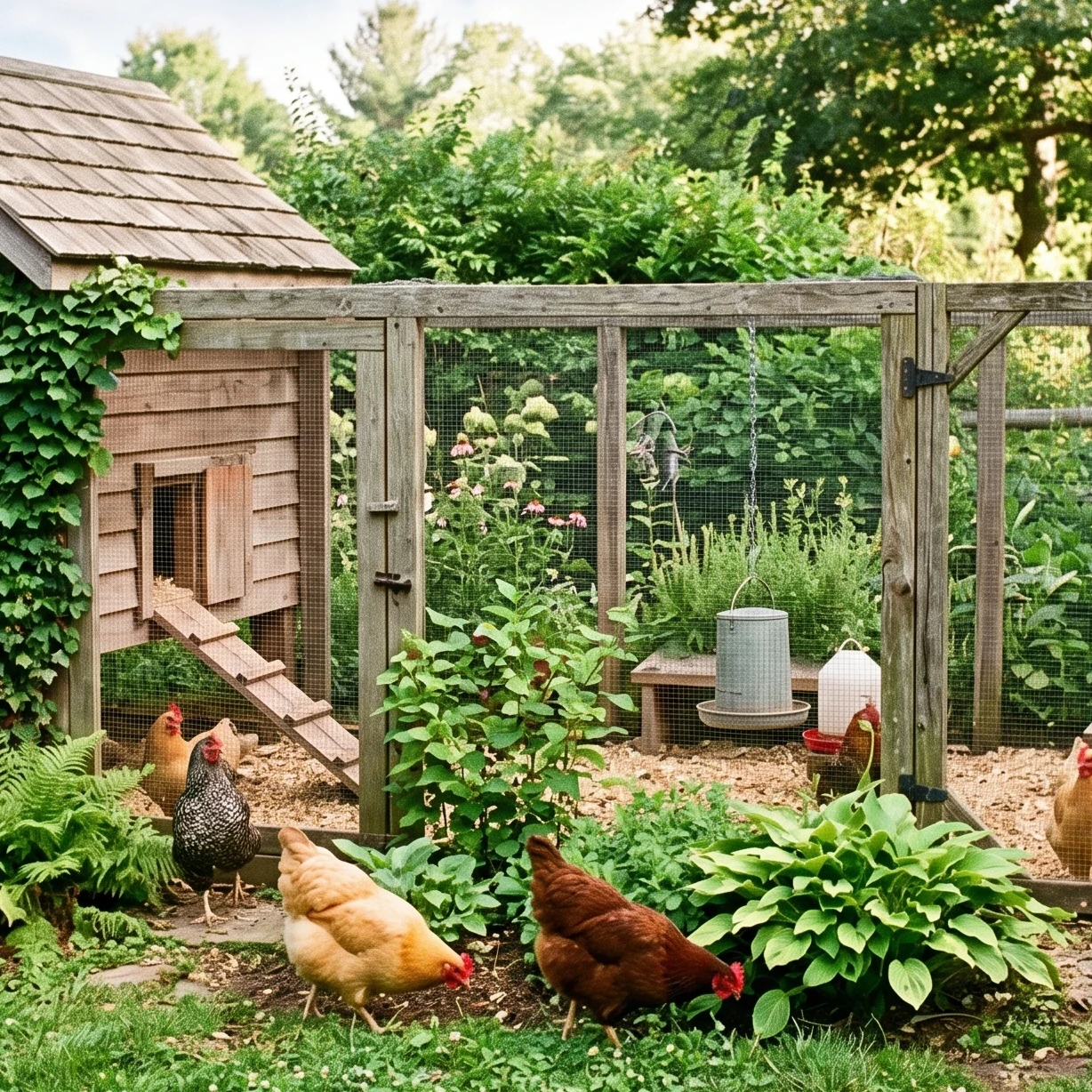
Why People Raise Chickens at Home
Backyard chickens have become pretty popular among folks who want to know exactly where their eggs come from, and maybe save a little on grocery bills. Some people enjoy their quirky personalities, while others love the idea of teaching kids about caring for animals. Raising chickens at home can also help with pest control and composting since chickens love eating bugs and kitchen scraps. Plus, watching chickens scratch around the yard is oddly relaxing. The practice of keeping chickens in the backyard used to be much more common a few generations ago. There’s a sense of tradition that comes with it.
Essential Considerations Before Getting Chickens
Before jumping into chicken raising, there are a few details to sort out first to avoid any surprises. Local laws and ordinances matter, as many towns have rules about how many chickens you can keep or if roosters are allowed. Space is another big deal. You’ll need a spot in your yard for a coop and a run, and you’ll want to keep your neighbors happy and your chickens safe. Here are some basics you’ll want to check off before bringing home your flock:
- Backyard Space: Chickens need enough room to roam. Plan for at least 2-3 square feet per chicken inside the coop and 8-10 square feet per chicken in the run.
- Zoning Regulations: Some cities don’t allow backyard chickens or have rules on how coops need to be set up. A quick check with local authorities will save headaches later on.
- Predator Protection: Chickens can attract raccoons, foxes, and even neighborhood dogs. A sturdy coop and a secure run are really important for safety and peace of mind.
It’s also worth checking with your neighbors before you get chickens. They may have concerns or may even want to help out. Remember, a little communication goes a long way.
Choosing the Right Chickens for Beginners
Picking the right chicken breeds makes a real difference for first-time keepers. Some breeds do better in backyards and are friendlier or more resilient than others. Here are a few beginner friendly types:
- Plymouth Rock: These birds are hardy, good layers, and pretty calm.
- Orpington: They’re fluffy, gentle, and do well with kids.
- Rhode Island Red: Known for high egg production and a tough constitution.
- Australorp: Great layers and mellow personalities.
Most beginners go for dual purpose breeds (good for both eggs and meat), but if you only want eggs, stick with breeds known as strong layers.
You should aim to buy healthy chicks or pullets from reputable hatcheries or local farm stores. Try to avoid impulse buys, and do a little research on care for your chosen breed. That way, everyone will settle in comfortably.
Getting Started: Setting Up Your Chicken Coop and Run
The coop and run make up the chickens’ home base. A coop is where they’ll sleep and lay eggs, while the run is an outdoor area for them to scratch and peck. Here’s how I broke it down:
- Coop: Needs to be dry, draft free, easy to clean, and have good ventilation. Add nesting boxes (one box per 3-4 hens) and perches for sleeping.
- Run: Chickens need fresh air and space to move. A covered run keeps them safe from hawks and other predators.
- Fencing: Use hardware cloth (not chicken wire) for the run. Chicken wire keeps chickens in, but it doesn’t always keep predators out. Bury fencing about a foot into the ground to stop digging animals.
Most coop kits come with basic instructions, but there are a ton of DIY plans online if you’re handy or want to customize your setup. Building your own coop gives you a chance to design the perfect home for your flock, tailored to your climate and space.
Chicken Care and Daily Routines
Chickens are pretty easy going once you get their daily routine down. Here’s what I do each day to keep my flock happy and healthy:
- Feeding: Use a commercial chicken layer feed and supplement with kitchen scraps (no onions, raw potatoes, or chocolate). Chickens also love bugs, weeds, and grass.
- Water: Always keep water clean and available. Chickens drink more in hot weather, so check their water several times a day during summer.
- Egg Collection: Collect eggs once or twice daily to avoid cracked eggs or broodiness.
- Cleaning: Scoop out manure and refresh bedding at least weekly. Good bedding options include straw, pine shavings, or sand.
While these basics are essential, don’t forget to spend time with your chickens. A friendly flock is easy to check over for health and is less likely to get stressed.
Common Challenges and How to Handle Them
Chicken raising isn’t completely trouble free, but knowing what to look for helps you handle problems before they get big. Here are a few typical issues:
- Predators: Always lock the coop at night and check for gaps in the run.
- Pests (mites, lice): Regularly clean the coop and check chickens for signs of itchy skin or feather loss. Dust baths help chickens keep pests off naturally.
- Illness: Watch for droopy birds, odd droppings, or changes in appetite. Separating any sick birds and reaching out to a vet keeps a problem from spreading.
- Extreme Weather: In summer, offer lots of shade and fresh water. In winter, make sure the coop is draft free and consider a safe, low wattage heater if it gets very cold.
Predator Protection
Living in a rural area, I’ve seen raccoons and coyotes check out my coop. A solid lock on the coop door paired with buried hardware cloth around the run stopped nighttime raids. If you’re in suburbia, neighborhood cats and dogs can be a concern, so fencing should be sturdy and tall enough to keep them out.
Pests and Parasites
I like to throw in a dust bath of dirt and wood ash for my chickens. They naturally roll around in it to keep their feathers clean and pests away. Plus, a good cleaning schedule stops mites or lice from becoming a problem.
Dealing with Illness
Healthy chickens are pretty lively and curious. If I notice a chicken looking tired or standing off by itself, I make sure to isolate it and check for obvious issues. Most city veterinarians can recommend someone who treats poultry in your area.
Tips and Tricks for Happier, Healthier Chickens
A few habits make chicken care easier and keep your flock in top shape. Here are some things that worked well for me:
- Rotate Free Range Areas: Letting chickens roam in different parts of the yard helps keep the ground healthy and prevents muddy patches.
- Enrichment: Chickens get bored too. I hang a head of cabbage from a string or scatter scratch grains for them to hunt. It keeps them busy and less likely to peck each other.
- Record Keeping: Track how many eggs you collect, any health issues, or when you last changed bedding. You’ll spot patterns and catch problems early.
- Deep Litter Method: Instead of cleaning out the coop every week, just add new bedding on top of the old. Once or twice a year, clean it all out. This method actually composts the manure and bedding and helps control smell.
What Equipment Do You Actually Need?
Beginner chicken keepers don’t need a lot of equipment, but a few items make life way easier:
- Feeder and Waterer: Gravity style is simplest and keeps things clean.
- Nesting Boxes: Hens will lay eggs here, which helps keep eggs clean and easy to collect.
- Bedding: Pine shavings, straw, or sand all work well for keeping the coop dry.
- First Aid Kit: Include nonstick bandages, vet wrap, antiseptic, and a pair of gloves. Super handy for small injuries.
You might also think about optional gear, such as a heat lamp for chicks, a small rake for cleaning the run, and extra feed storage containers to keep pests out.
- Automatic Coop Door: If you travel a lot or can’t always be home at dusk, these are really convenient and can save you quite a bit of time.
- Poultry Grit: Helps chickens digest their food properly, especially if they don’t free range much.
Frequently Asked Questions
Here are some common beginner questions I hear all the time:
How many chickens should I start with?
Answer: A small flock of 3-6 hens is a good size for most beginners. They’re social and do better with company. More chickens, of course, means more eggs—and more work.
Do I need a rooster to get eggs?
Answer: Not at all. Hens lay eggs regardless of whether there’s a rooster around. Roosters are only necessary if you want fertilized eggs to hatch chicks (and some places don’t allow them because of the noise).
How often do chickens lay eggs?
Answer: Most breeds lay about 4-6 eggs per week, though egg production drops in winter or as hens get older. Good feed and some sunlight help keep them laying.
Final Thoughts on Starting Your Chicken Adventure
Starting with chickens is a fun and practical way to get closer to your food and learn more about animal care. Whether you’re in it for the eggs, the entertainment, or the experience, chickens fit into most backyards and busy lives with a bit of research and preparation. A little daily care and attention go a long way with these birds. Before you know it, you’ll have your own supply of fresh eggs and maybe even a few funny chicken stories to share.